
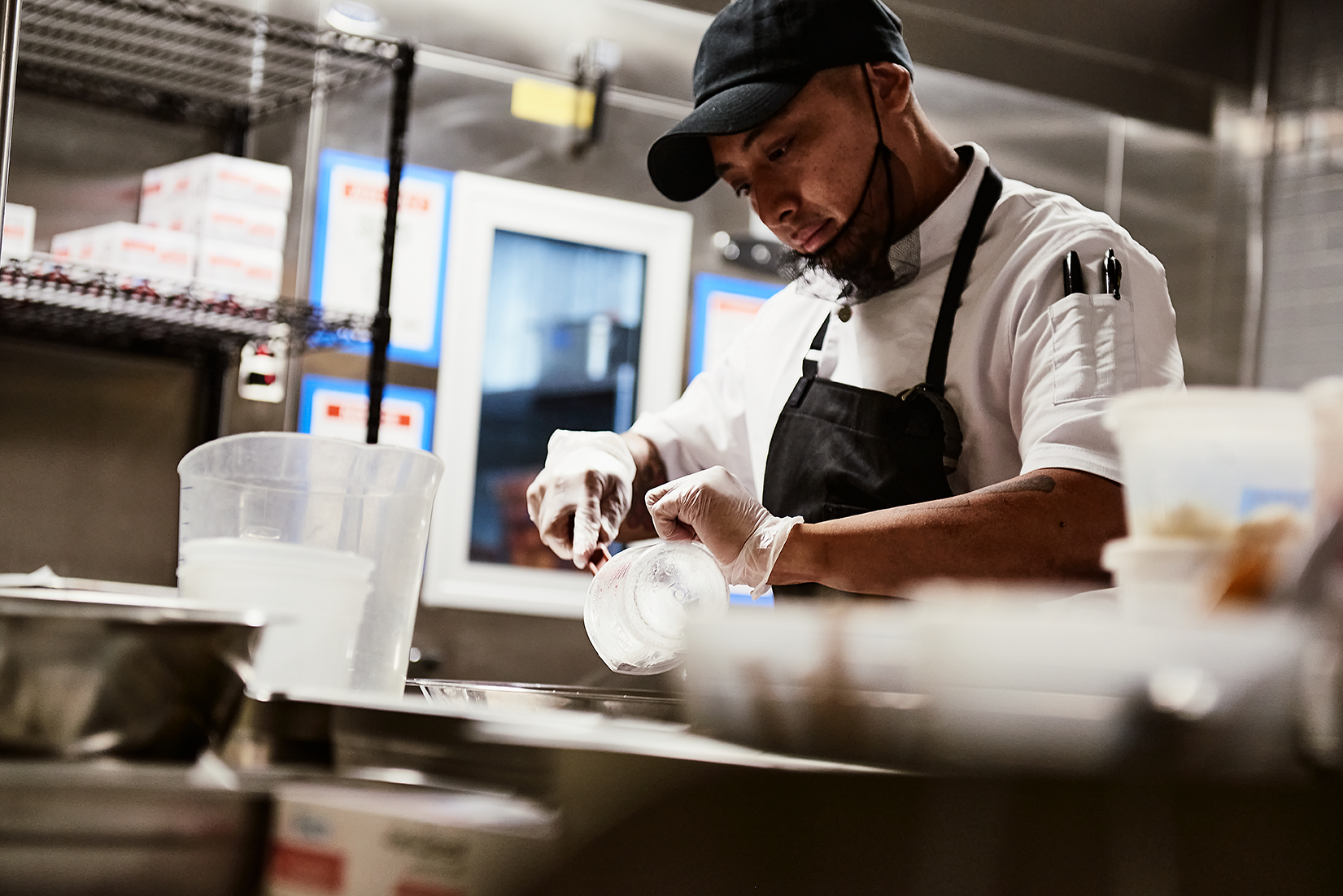
The fundamentals every foodservice professional should know.
The KtchnQualified Course covers the food safety standards and introductory culinary skills every foodservice professional should know and abide by, whether they’re a seasonal cook in a summer camp or a head chef with three Michelin stars.
COURSE OVERVIEW
This course includes ~11 hours of training followed by two summative assessments. It can be delivered over two or five days, with identical curriculums in both formats.
The training portion breaks down as:
Classroom lectures (~6.5 hours)
In-kitchen demonstrations (~2.5 hours)
Hands-on practice (~2 hours)
This approach gives learners an opportunity to apply the course material in a kitchen environment, so they can practice new skills and understand how these concepts impact their day-to-day work. They also get immediate feedback from instructors in an intimate, one instructor to five learners ratio.

MODULES
We teach learners how to operate safely, efficiently, and confidently in any professional kitchen over five modules:
-
Covers key food safety concepts to prevent foodborne illness
-
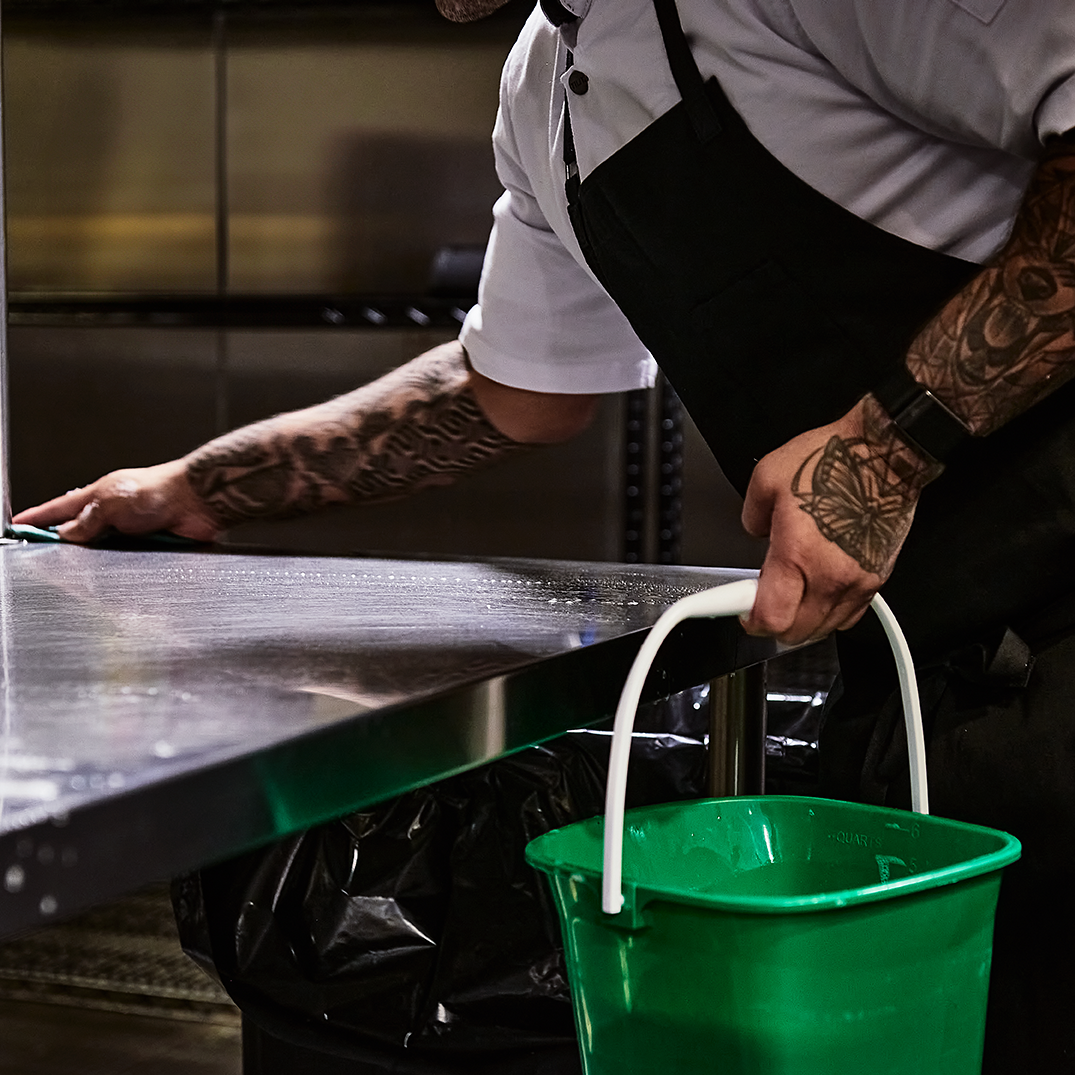
Outlines essential cleaning and sanitizing practices
-
Explains time and temperature requirements for keeping food safe
-
Covers storage and food handling practices
-
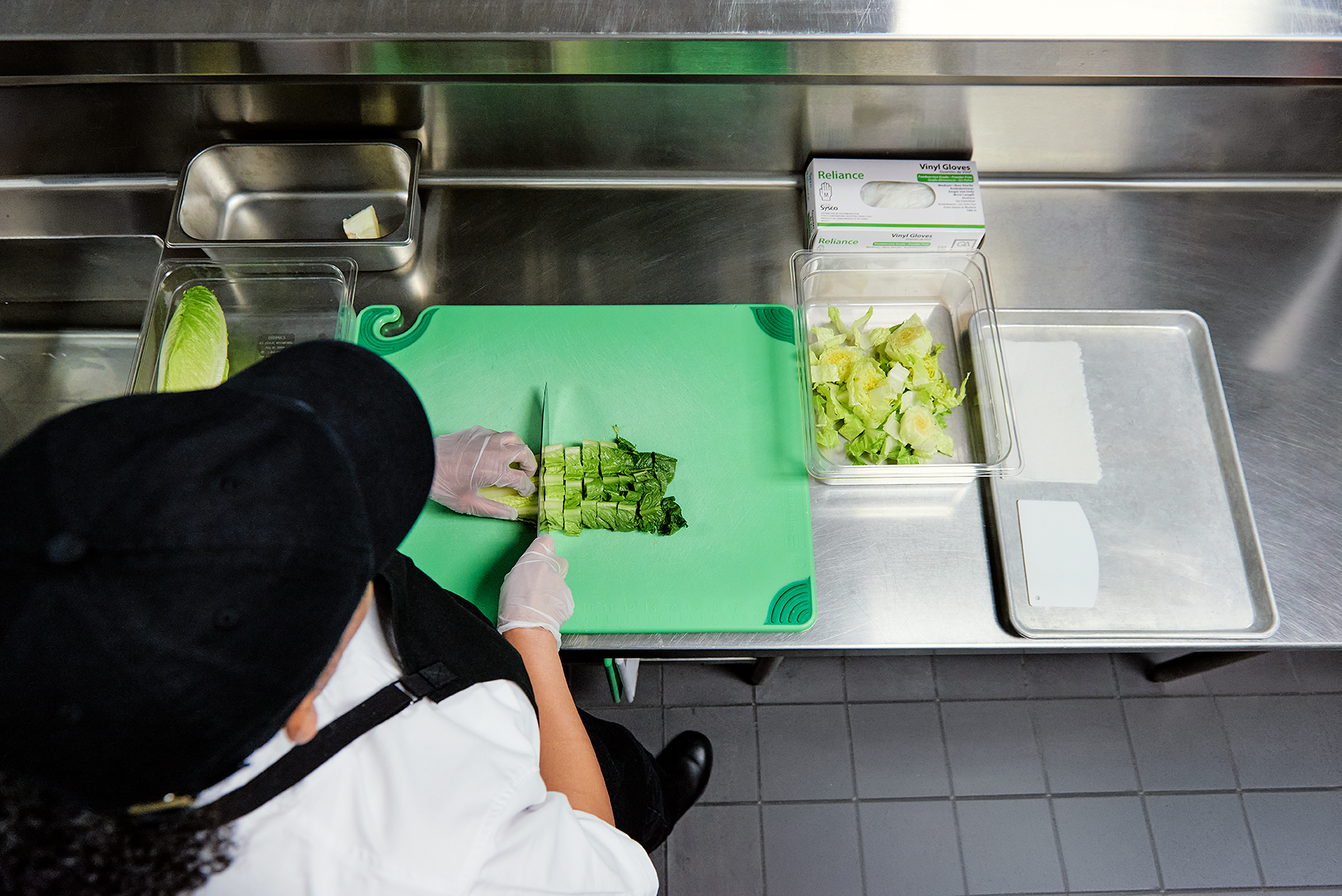
Presents introductory culinary skills, including knife handling, reading and executing a recipe, and measuring by weight and volume
SUMMATIVE ASSESSMENTS
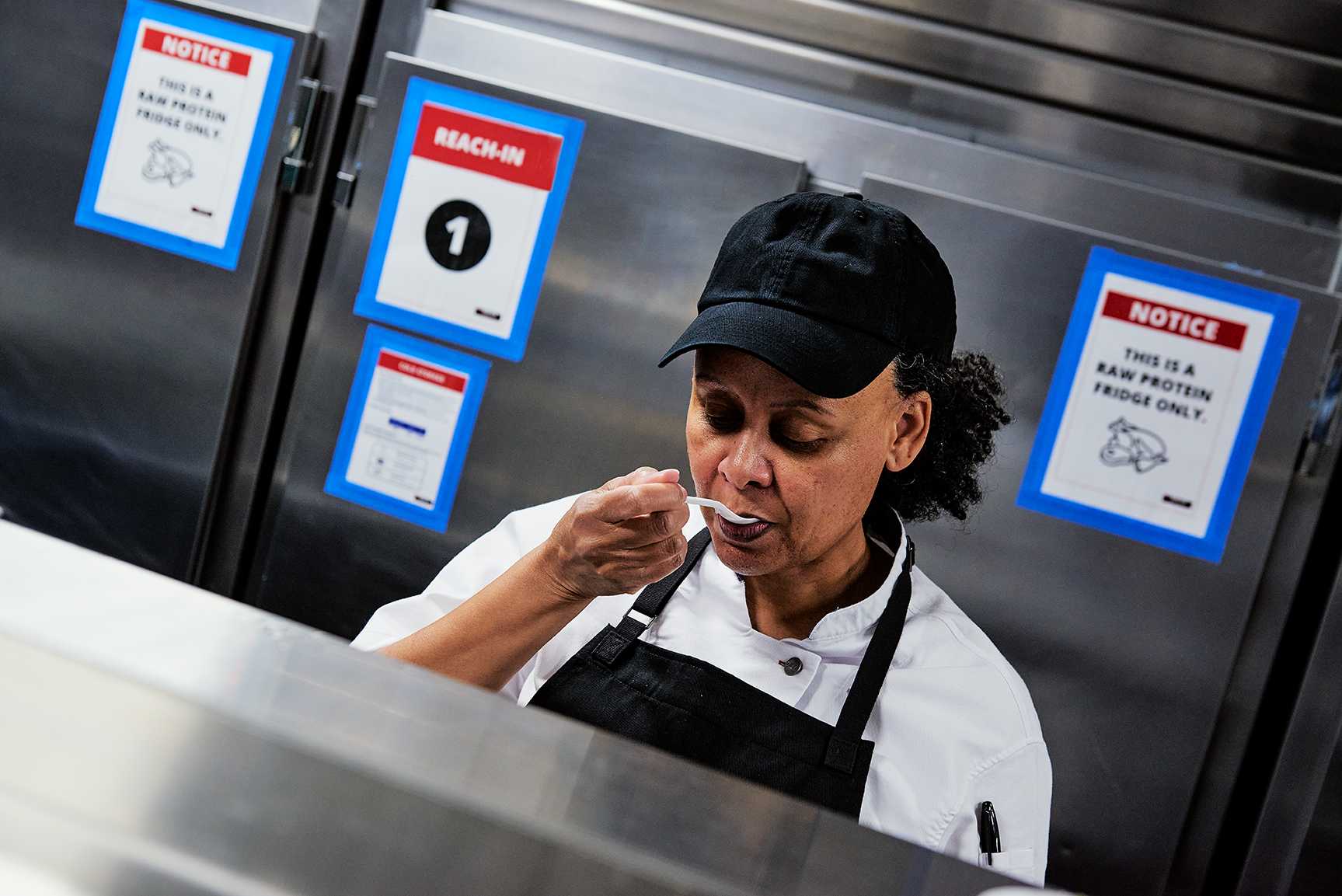
After the training, learners take two summative assessments: a multiple-choice assessment and a performance-based assessment.
Training that levels the playing field.
The KtchnQualified Course allows kitchens to level set their teams so that everyone is speaking the same language. In restaurant and institutional settings alike, staff members often have varying levels of prior experience. This makes it challenging to work cohesively. With the KtchnQualified Course, everyone gets the same, comprehensive training, whether it's the first time they are learning this information or a refresher. Once everyone in the kitchen is starting from the same foundation, it’s much easier to move forward together.
Becoming KtchnQualified
Learners who attend the training in its entirety and pass the summative assessments earn the KtchnQualified Certificate and become KtchnQualified. This is a lifetime designation. Additionally, learners may use the ANAB-accredited certificate to fulfill a local food handler card requirement for three years from the issue date.
ANAB accreditation gives our learners, employers, and other stakeholders confidence that the KtchnQualified Course meets rigorous, nationally recognized quality standards.
Frequently Asked Questions
-
Learners receive: a 15-chapter learner’s booklet, outlining the course curriculum; a pocket guide which provides a quick reference for key concepts, and a KQ tote bag, Sharpie®, and highlighter.
-
Describe foodborne illness, outbreaks and the role of a food handler in following an organization's HACCP plan
Identify and apply how the actions of a food handler directly affect food safety, including practicing personal hygiene standards and preventing the spread of biological, chemical, and physical hazards to the public
Perform the appropriate procedures to keep the workplace and equipment clean in a foodservice operation
Identify foods that require time and temperature control for safety and recognize and apply time and temperature requirements for keeping food safe during preparation, holding, cooling, reheating, and serving
Identify and apply the procedures for safely storing and handling food
Recall and evaluate practices for handling food to prevent cross-contamination and cross-contact and limit the spread of allergens
Demonstrate introductory culinary skills, time management skills, and general kitchen safety and awareness and perform the steps to successfully execute a recipe
-
No difference! The curriculums are identical in both formats. We offer two options to give partners the flexibility to select a schedule that suits their site's specific needs. Contact us if you have questions about which format is best for your program!
-
We offer course materials in English and Spanish.
-
Right now, all courses take place at our partners' facilities, however, we plan to open dedicated KQ kitchen spaces in the future to administer the program. Stay tuned!
Ready to become KtchnQualified?
We’re currently rolling out the KtchnQualified Course to foodservice teams across the US.
Stay tuned for updates about KQ II, KQ III, and KQ IV, which are currently in development.